 Reviews

 Proudly American
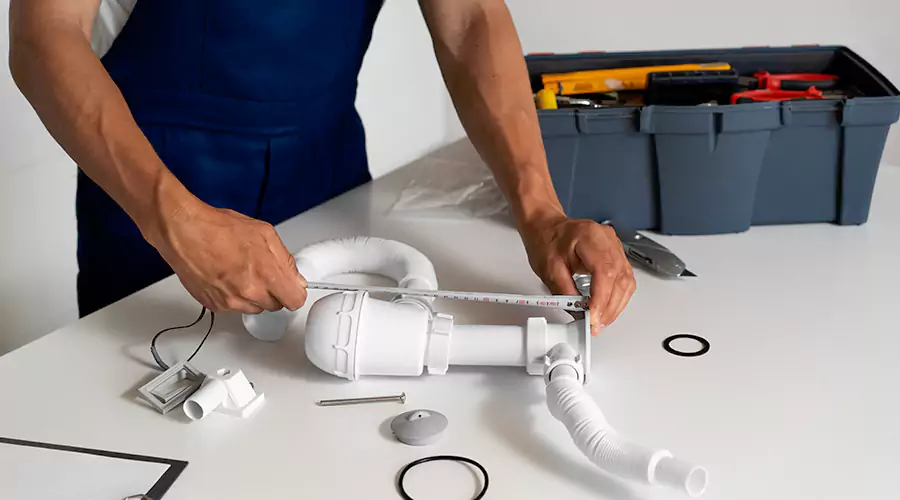
Plumber’s putty is one of the easiest and most useful sealing materials for common sink and faucet jobs. It stays soft for a long time, fills small gaps, and creates a watertight seal around many plumbing fixtures. If you are installing a sink, setting a faucet base, or resealing a strainer, plumber’s putty can save you from annoying leaks and messy callbacks.
This guide shows exactly how to use plumber’s putty step by step, what it is best for, what to avoid, and how to get a clean, leak free finish.
What Is Plumber’s Putty?
Plumber’s putty is a moldable sealing compound used to create a watertight seal between a plumbing fixture and a surface such as a sink, tub, or countertop. Unlike glue, it does not harden like cement. It compresses when tightened and blocks water from seeping through tiny gaps.
Common uses
- Sink basket strainer and drain flange
- Pop up drain flange in bathroom sinks
- Faucet bases on some sinks
- Shower drain flange (depending on manufacturer instructions)
When Not to Use Plumber’s Putty
Plumber’s putty is not universal. Using it in the wrong place can cause leaks or damage finishes.
Avoid plumber’s putty in these cases:
- Porous surfaces like natural stone (granite, marble) unless the putty is labeled stain free or safe for stone
- Plastic parts that the manufacturer says require silicone instead
- Areas exposed to constant water pressure, like threaded pipe connections
- Bonding needs, where you need adhesive strength rather than a gasket style seal
Rule of thumb: If the instructions call for silicone, use silicone.
Tools and Materials You Need
You only need a few basics:
- Plumber’s putty
- Clean rag or paper towels
- Mild cleaner or rubbing alcohol
- Putty knife or plastic scraper
- Adjustable wrench or channel lock pliers
- Optional: disposable gloves
Step by Step: How to Use Plumber’s Putty
The exact steps are similar for most jobs, especially sink drains and faucet bases.
Step 1: Clean the surface well
A clean surface is the biggest secret to a good seal.
- Remove old putty, silicone, and grime
- Wipe with mild cleaner
- Finish with rubbing alcohol so the area is dry and oil free
If you leave residue, the putty can slip or leak later.
Step 2: Warm and knead the putty
Plumber’s putty works best when it is soft and flexible.
- Pinch off a chunk of putty
- Roll it in your hands for 30 to 60 seconds until it feels smooth and pliable
If the putty is crumbly and will not knead, it may be old and should be replaced.
Step 3: Roll a rope of putty
Roll the putty into a rope shape that matches the part you are sealing.
- For a sink drain flange, aim for a rope about the thickness of a pencil
- For small parts, use a thinner rope
Try to keep the thickness consistent so the seal compresses evenly.
Step 4: Apply putty to the fixture
Place the putty where water could seep through.
For a sink drain flange
- Wrap the rope around the underside of the drain flange
- Overlap the ends slightly and press them together to form a continuous ring
For a faucet base
- Apply putty under the faucet base plate if recommended by the manufacturer
- Make a full ring so there are no gaps
Do not leave breaks in the circle. Water will find that weak spot.
Step 5: Seat the fixture and compress the putty
Set the fixture in place and apply even pressure.
- Push the drain or faucet down firmly
- Hold it steady while you install the mounting parts underneath
As you tighten the locknut or mounting hardware, putty will squeeze out around the edge. This is normal and a good sign.
Step 6: Tighten carefully and evenly
Tightening compresses the putty to create the seal.
- Tighten until snug and stable
- Do not over tighten, especially on plastic parts
Over tightening can deform parts, crack a sink, or squeeze out too much putty and weaken the seal.
Step 7: Remove excess putty cleanly
Use your finger or a plastic scraper to remove the putty that squeezed out.
- Wipe around the edge to create a clean line
- Use a rag to remove leftover smears
If you want a very neat finish, use a dry paper towel to buff the area after scraping.
Step 8: Test for leaks
How you test depends on what you installed.
Sink drain test
- Run water and check under the sink for drips.
- Fill the sink halfway, then drain it to test a higher volume of flow.
- Look for moisture around the locknut and tailpiece connections.
Faucet base test
- Run water for a minute.
- Splash water around the base lightly.
- Check underneath for any moisture.
If you see a leak, stop and fix it now. Most leaks happen because the surface was not clean, the putty ring had a gap, or the nut was not tightened evenly.
Plumber’s Putty vs Silicone: How to Choose
Both are used to seal, but they behave differently.
Use plumber’s putty when
- You need a removable seal
- The part is held tight by a locknut
- The surface is non porous and putty safe
Use silicone when
- The manufacturer requires it
- You are sealing stone surfaces
- You need a seal that cures and bonds
If you are unsure, silicone is often the safer choice for modern fixtures, but it is harder to remove later.
Pro Tips for a Better Seal
- Store putty in an airtight container so it stays soft
- Use stain free putty for stone, composite, or sensitive finishes
- Apply putty on the flange, not on the sink, for less mess
- Always replace old putty instead of trying to reuse it
FAQ
How long does plumber’s putty take to dry?
It does not “dry” like glue. It stays flexible. That is why it works well for drain flanges and fixtures that may need removal later.
Can plumber’s putty stop a pipe thread leak?
No. For threaded pipe joints, use PTFE tape or thread sealant. Putty is for sealing flanges and surfaces, not pressurized threads.
Can I use plumber’s putty on plastic drains?
Sometimes, but always check the fixture instructions. Many plastic parts specify silicone instead.
Final Takeaway
To use plumber’s putty correctly, clean and dry the surface, knead and roll a consistent rope, apply it as a complete ring, then compress it by tightening the hardware evenly. Remove the squeeze out and test for leaks. Done right, plumber’s putty gives you a dependable seal and makes future repairs easier.